MEANDERS
In 1985 I lived in a district of Warsaw roughly translated as 'Pretty Fields'. In reality this was a high -rise breeze block scheme which overlooked more of the same on three sides and if one was lucky enough a distant view of the Vistula from the fourth. Sporadically, a small group of Militia -bluebottles- would swarm in the lush green wasteland which fringed the river.
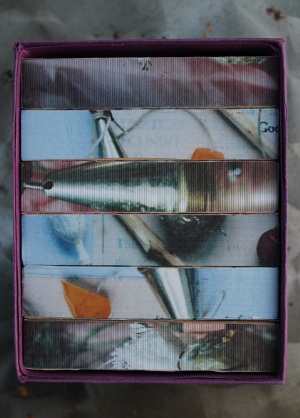
On one occasion I discovered hidden in that leafy verge a number of large, carefully mounted photographs. I gathered them safely and over a quarter of a century later I'm still waiting for their owner to reclaim them. Most of them presented considered observations of various rural shacks and peasant baba jaga women possessing the wary tight gaze of their Tartar fore-bearers; arms folded over wide aproned bosoms and stocky legs displaying overstretched hose. But one, and I'm not even sure if it appeared by coincidence with the others as it was unmounted and printed in a thinner grimy paper, was a close-up image of a young woman sniffing a flower bud. She was not beautiful but her face captured a sympathetic elegance which suggested a gifted photographer had taken the portrait. Whatever the truth behind this particular image, perfect in its stark black and white composition, she is fixed in my mind with a time and place I can still smell and taste with its dusty desperation and despair.
If one looks more closely at the rustic scenes of hovels and small-holdings there are in the background glimpses of the plain-lands; interspersed strips of fruit, fallow and flowers.
Poles love their floral tributes, where every day is a Saint's day and there are always people carrying large ornate bouquets of roses to give to Holy patron- named recipients. Pretty princesses in their frothy white communion frocks clutch at bunches of Lily of the valley. Grave stones; expansive flat granite beds are decorated with carnation arrangements as if designed for that very purpose. But the meadow blossoms awaiting harvest in these un-named pictures are not grown for their beauty alone.
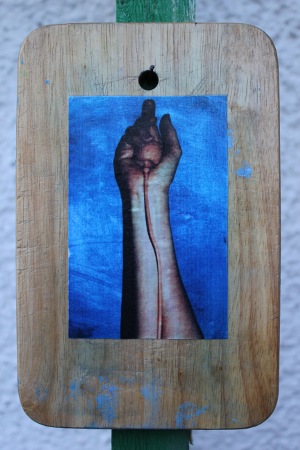
These oriental treasures arrived here a long time ago – the germ of which perhaps embedded in the mud-caked hooves of the hordes, or a merchant's long lost sealed vase packaged with straw or deposited by the migrating cranes as they travelled westwards. Their seed pods are gathered and sold in bunches at the markets, then they are cracked open in the kitchen to reveal their unadulterated freshness and the sweet nutty grain is used either ground to a paste and sweetened with fruit to make a delicious strudel, or simply scattered over soft milky loafs. In those difficult years, when meat was scarce and sugar rationed, nothing went to waste. Like the illicit pig reared by the farmer, or the uncultivated crop every bit was precious : Whether blood from sliced aortas to make salty puddings stuffed into intestines or creamy tears from tender lacerated heads spilt over a glass plate and processed by the sun – desirable goods.
As pink marrow was scrapped from bones to make a pasztet so the stems were split and scooped for their soft white snow. Crushed and boiled carcasses to make stocks and brews, soups and compotes. Only the hog's squeal and the amphorous rattle tossed over to the wind.
In 1985 the silk road was blocked and before it started to seep poison from its congested veins, exotic trade consisted of Libyan air routes when huge netted bundles of oranges landed at Okecie and Cuban grapefruit -ugly green and bitter adorned the state run street kiosks. Placating the people with citrus was no less absurd than ball-bearing ashtrays. The Berlin express which was boarded from the Central East station hinted at the incipient haemorrhaging as it connected with the Moscow Wagon-Lits which started their journey from Murmansk scarring along the mountain range of Afghanistan and cutting into ancient Courland -the old heart of Europe. But without a visa or dollars few people took that ride West.
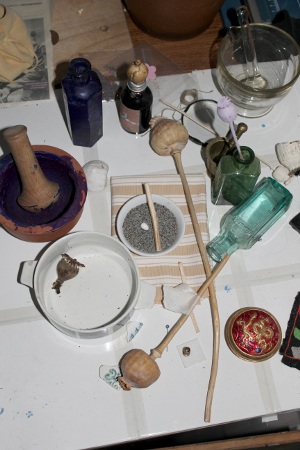
There were rumours then that the housing estates -like the one I lived in was populated not only by university professors and disenfranchised artists but lost souls; unemployed enemies of the state who spent their time preparing concoctions from the discarded dried and emptied poppies. I don't doubt their thoroughness in extracting and utilising every last scrap in order to live the life of a decadent Byron in a worker's paradise. In almost all aspects of everyday life that is what everyone did; squeezing every drop and remnant to exist as if normal. Everybody found some lost or hidden treasure, no one dared, for example, to suggest cutting down the weedy margin by the river that the police protected or denounce the free enterprise of the foragers who profited on sales of wild dried mushrooms strung on hemp. Somehow the miseries of the home spun narcomancers were not seen as a serious threat to a wider community. So in some respects, notwithstanding the politicised sphere of strikes and murdered priests, it was an innocent age of contained small-time crime accepted for the most part with the apathetic shrug of a browbeaten citizenship. The bitter Eurus wouldn't blow in for another year or so with its corrupting influence and defining end game but in all the times I've re-run the images of a strange troubled place on the brink, I've never resolved the mystery of the wanton disposal of these precious pictures in the tangled grass at the very edge.